


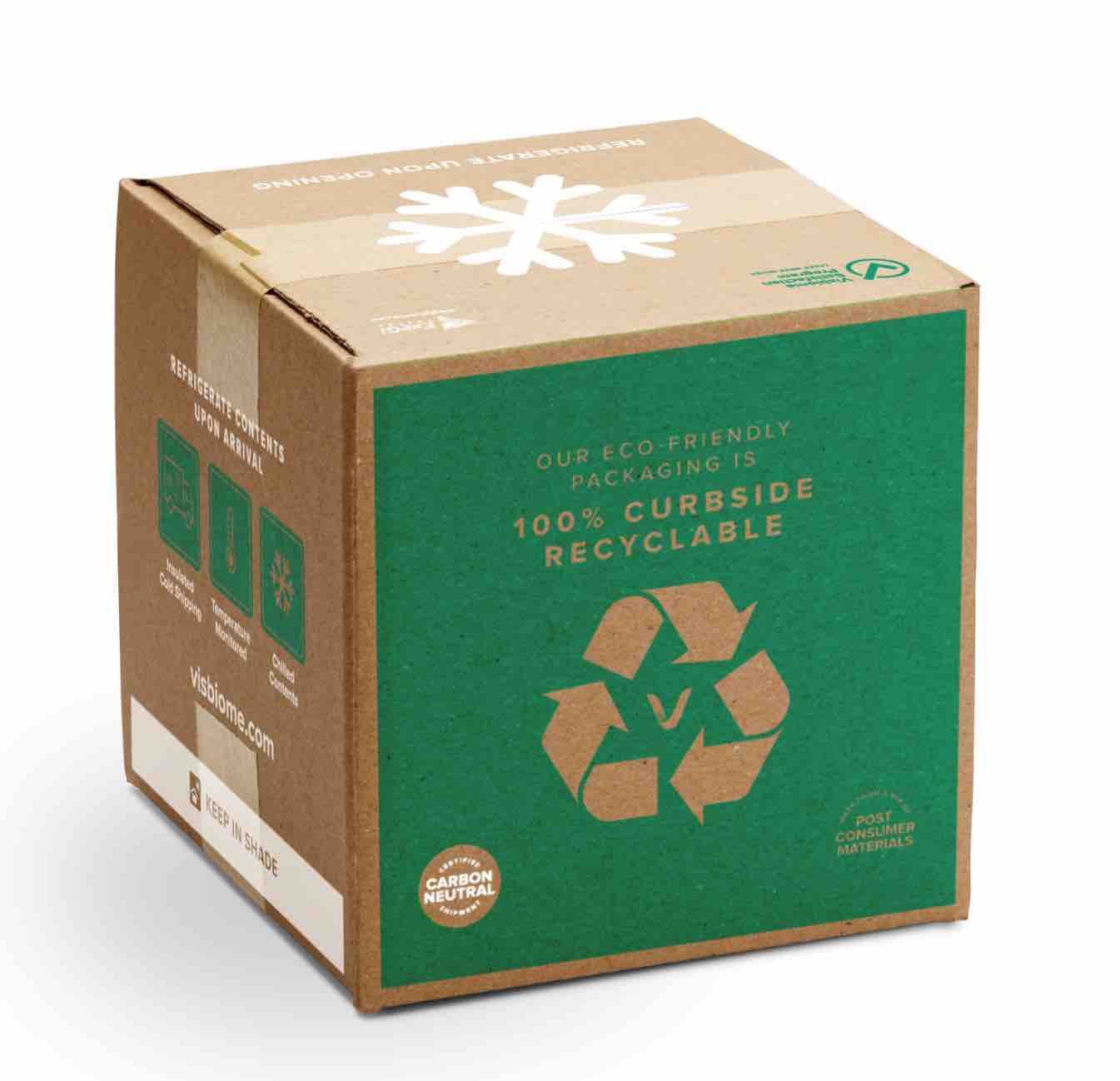

Visbiome Extra Strength GI Care - 2 Pack
Visbiome Extra Strength GI Care - 2 Pack
Regular price
$288.00
$288.00
Regular price
$320.00
Sale price
Unit price
per
Shipping calculated at checkout.
For the dietary management of Advanced Ulcerative Colitis (UC) and Ileal Pouch Dietary Management.
-
 900 billion CFU per packet
 -
 Dosage Format: Powder
 -
 30 packets per box


Couldn't load pickup availability
Free shipping on all orders within the continental United States.
Free shipping on all orders within the continental United States.
Money back guarantee if returned within 60 days of ship date.
Money back guarantee if returned within 60 days of ship date.


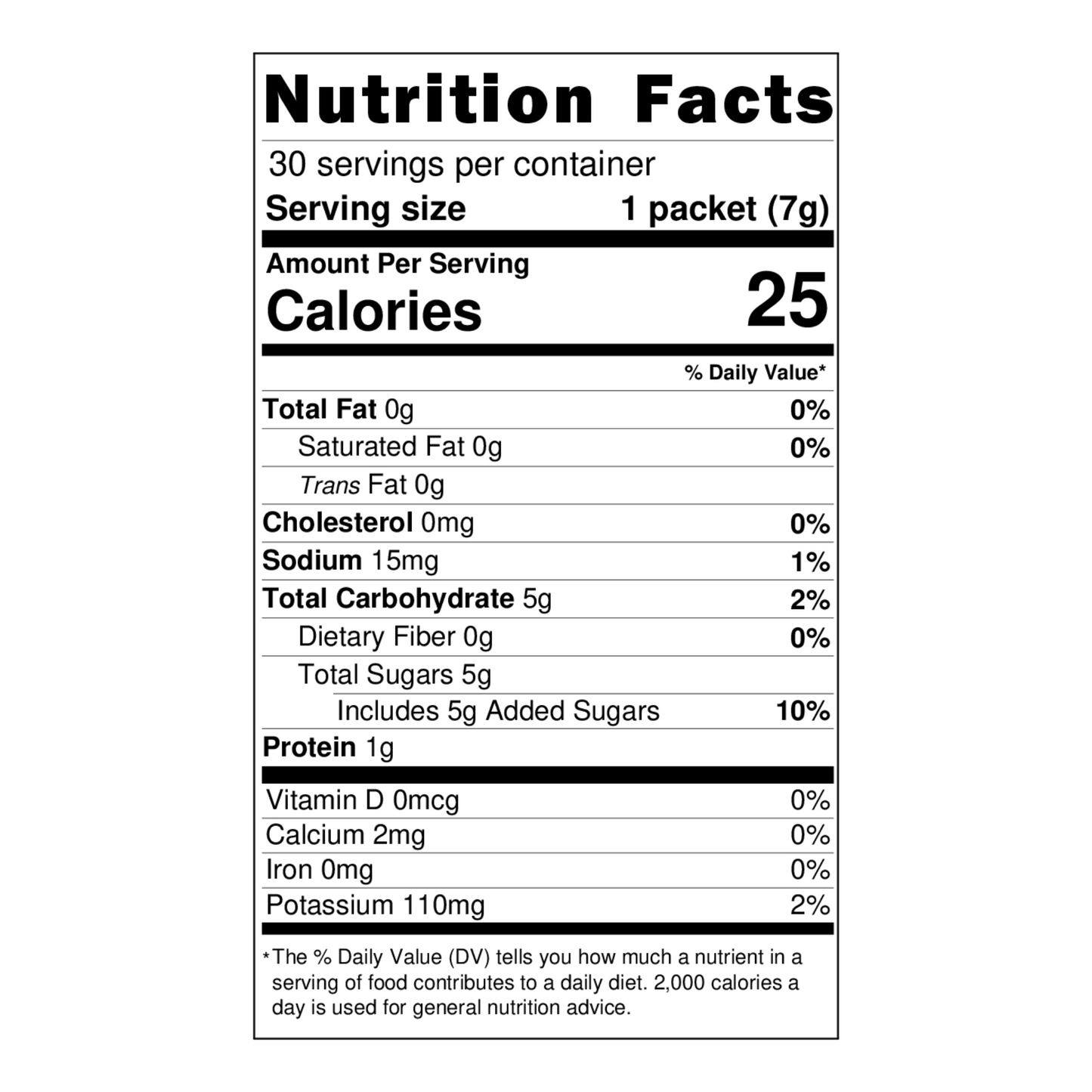
Description
High Potency Probiotic Medical Food for the Dietary Management of Dysbiosis

The Science Behind Your Gut
The Critical Nature of Research
The human gastrointestinal tract is home to trillions of organisms forming the complex bacterial community known as the gut microbiome.
100+
Clinical Studies
Visbiome's probiotic blend, the De Simone Formulation, has been the subject of more than 100 clinical studies.
25+
Years of continuous research
Our formulation has had numerous clinical studies proving its efficacy in the management of dysbiosis associated with the following conditions:
10
Studies
Ref 1-10
Irritable Bowel Syndrome (IBS)
- Reductions in bloating, flatulence & abdominal pain
- Reductions in gut permeability
8
Studies
Ref 11-18
Ulcerative Colitis (UC)
- Improvements in UC Activity Index Scores
- Reductions in frequency
1
Study
Ref 19
Antibiotic-Associated Diarrhea (AAD)
- Reduction in antibiotic side effect
4
Studies
Ref 20-23
Ileal Pouch Management
- Decreased bowel frequency

Ingredients
Inside The Packet
Lactic Acid Bacteria
Inactive Ingredients
Shipping Policy
Products
Explore Other Visbiome products
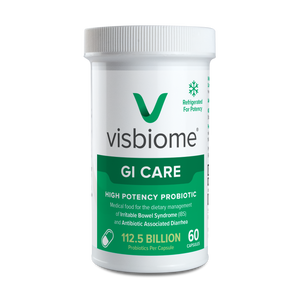
- Capsule
- 112.5 Billion CFU
- 60 Capsules
Best for:
Irritable Bowel Syndrome (IBS),
Antibiotic-Associated Diarrhea (AAD)
Regular price
$69.95
$69.95
Regular price
Sale price
Unit price
per

- Powder
- 450 Billion CFU
- 30 Packets
Best for:
Advanced Irritable Bowel Syndrome (IBS),
Ulcerative Colitis (UC)
Regular price
$106.95
$106.95
Regular price
Sale price
Unit price
per

- Powder
- 900 Billion CFU
- 30 Packets
Best for:
Advanced Ulcerative Colitis (UC),
Ileal Pouch Management
Regular price
$160.00
$160.00
Regular price
Sale price
Unit price
per
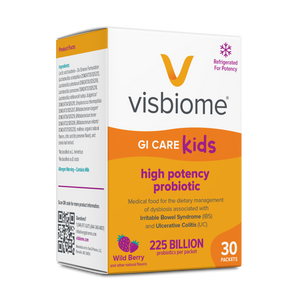
- Wild Berry Flavor Powder
- 225 Billion CFU
- 30 Packets
Best for:
Irritable Bowel Syndrome (IBS),
Ulcerative Colitis (UC)
Regular price
$74.95
$74.95
Regular price
Sale price
Unit price
per