In This Article
Share On
Prebiotics and probiotics are often mentioned together when discussing gut health, but they aren't the same thing. While both can play important roles in supporting digestive health, they work in different ways. Probiotics are live microorganisms that can provide health benefits when consumed in adequate amounts, while prebiotics are specific substances that beneficial microorganisms in the body use.
Understanding the difference can help you make more informed choices about your diet and digestive health. Let's take a closer look at what prebiotics and probiotics are, how they work, and where you can find them.
What Are Prebiotics & Probiotics?
Prebiotics are substances, often certain types of dietary fiber, that are selectively used by beneficial microorganisms in the body. Unlike most nutrients, which are digested and absorbed by the body, many prebiotics pass through the upper digestive tract and reach the large intestine, where microorganisms can use them.
Probiotics are live microorganisms that provide a health benefit when consumed in adequate amounts. They include specific strains of beneficial bacteria and certain yeasts, each with its own characteristics and potential benefits. Not all live microorganisms qualify as probiotics; their health benefits must be supported by scientific evidence.
What Do Prebiotics & Probiotics Do?
Prebiotics help nourish beneficial microorganisms already living in the gut. By providing these microorganisms with substances they can use, prebiotics can support their growth or activity and contribute to a healthy gut environment.
Probiotics can help support digestive health through several mechanisms, depending on the specific strains involved. These may include interacting with existing gut microorganisms, producing beneficial substances, and supporting normal intestinal barrier function. Because probiotic effects are strain-specific, different products may provide different benefits.
Where Are Prebiotics & Probiotics Found?
Prebiotics occur naturally in a variety of foods, including garlic, onions, oats, bananas, and asparagus. These foods contain different types and amounts of fiber and other compounds that can be used by beneficial gut microorganisms. Certain prebiotic ingredients, such as inulin and fructooligosaccharides (FOS), are also added to some foods and supplements.
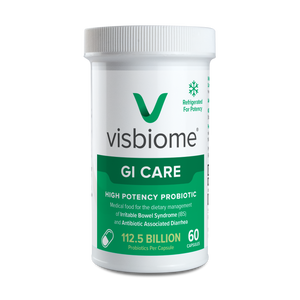
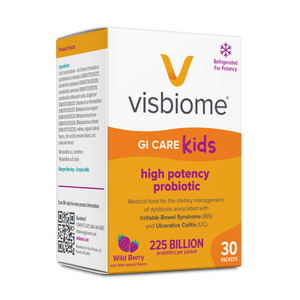
Probiotics can be found in certain fermented foods and specially formulated probiotic supplements. Some yogurts, kefir products, and other fermented foods contain live microorganisms, although not all fermented foods contain strains with demonstrated probiotic benefits. Probiotic supplements are formulated with specific microorganisms and typically identify the strains and quantities they contain.
The Simple Version: What's the Main Difference?
The easiest way to remember the distinction is that prebiotics help nourish beneficial microorganisms, while probiotics provide beneficial live microorganisms.
Although they serve different functions, prebiotics and probiotics can both be part of a broader approach to supporting digestive health. Eating a varied diet, staying hydrated, getting regular physical activity, and maintaining consistent daily habits are also important pieces of the gut health picture. Understanding how prebiotics and probiotics differ is a helpful first step toward making informed decisions about supporting your digestive health.